
We Ran the Same Brief Through Every Major Model. Here's What Each One Is Actually For.
One creative brief, every major AI image and video model, scored on what matters: motion, edit-ability, audio, prompt adherence, and cost per usable output. For video, Seedance 2 leads, then Grok for value and Veo 3.1; for stills, gpt-image-2. Real outputs and real credit costs from our own runs.

"What's the best AI video model" is the wrong question. It is like asking what the best lens is. Best for what shot?
So we stopped asking it. Instead we wrote one creative brief, ran it through every major image and video model in the lineup without changing a word, and scored the results on the dimensions a working creative actually cares about. Not vibes. A rubric. What came back is less a leaderboard and more a map: this model for that job, that model for this one. There is no single best model across the board, but for any given job there is a clear best, and for video specifically we have landed on a firm pecking order. We will name it.
Everything below is from our own desk. The sample frames are real, unretouched outputs from our production runs on that exact model, and every cost is a real median credit price pulled from those same generations. No stock, no cherry-picked vendor reels.
The brief
One brief, identical inputs, no per-model coddling. We wanted to see how each model handles the same request cold, because that is how you actually use them under deadline.
A lone courier rides a motorcycle down a rain-slicked neon street at night, camera tracking alongside, the city reflecting in the wet asphalt. Cinematic, shallow depth of field. For the image models: the same scene as a single frame.
It has everything that separates a demo from a tool: motion (the ride, the tracking), hard physics (reflections, rain), a lighting challenge (neon at night), and a clear subject that has to stay coherent. We keep it as a recurring torture test, then we read each model across the rest of our real work to see whether the verdict holds.
The rubric (and why these five)
We scored each model 1 to 5 on the things that decide whether an output is usable, not just pretty:
- Prompt adherence .. did it make what we asked, or something adjacent and prettier?
- Motion coherence (video) / structural soundness (image) .. does the motorcycle stay a motorcycle through the shot, do the reflections obey physics, or does it melt?
- Edit-ability .. can you take the output into the next step (relight, extend, swap an element, upscale) or is it a sealed artifact you take or leave?
- Audio (video) .. native sound, or silent footage you have to score and foley separately?
- Cost per usable output .. not cost per generation. If a cheaper model needs five pulls to land one keeper and a pricier one lands it in two, the "expensive" one is cheaper. This is the number almost no comparison reports, and it is the one that hits your budget.
The video models, ranked
For video we are not going to hedge. Here is the order we actually reach for, best first.
1. Seedance 2 and Seedance 2 Fast .. the best, full stop
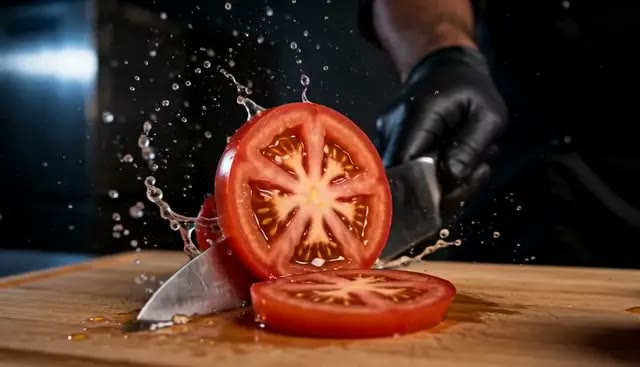
This is the one we reach for first, and it is not close. Seedance gives you the best motion in the lineup, the most control, and the thing that actually matters downstream: handles. You can extend it, edit it, sync audio tight to the action, and drive it with reference frames and storyboards instead of praying at a text box. It does not always win raw prompt-adherence (Veo edges it there), but on everything that makes a clip usable in a real edit, it is first.
Two flavors, and you want both in your back pocket:
-
Seedance 2 when the shot is the hero and quality is the whole point.
-
Seedance 2 Fast when you want the same Seedance look quicker and cheaper (a median ≈306 credits versus ≈426 for the full model). Same engine, lighter bill.
-
Prompt adherence: 4 · Motion: 5 · Edit-ability: 5 · Audio: strong + controllable (5) · Cost/usable: ≈426 credits ($1.42) / clip (Fast: ≈306 cr / $1.02)
-
Use it for: the default. Any hero shot, anything you will extend, edit, or sync to audio. Make it your first try, not your last resort.
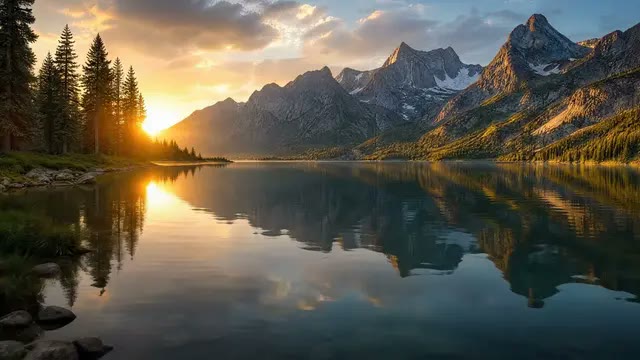
The range is the point. A serene sunrise lake and a mythological action trailer, same model, same week:

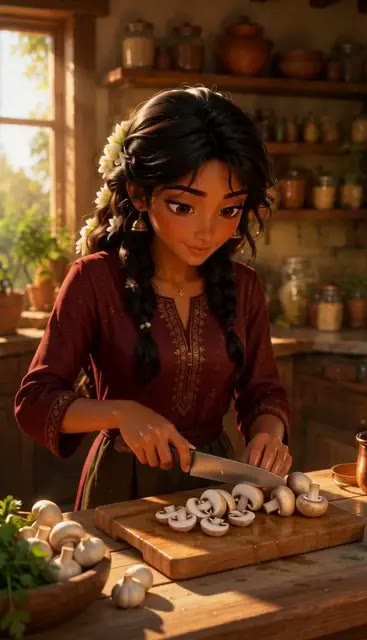
And on the Fast tier, the same engine lands polished character animation for less:
2. Happy Horse .. the strong second flavor
Right behind the Seedance pair sits Happy Horse, another premium video model with native audio and real edit support. When Seedance's interpretation is not quite the vibe, or you simply want a second premium opinion on a hero shot before you commit, this is the one to pull. It plays in the same league, with a different temperament. (We are not showing in-house samples here yet, so take this as a recommendation, not a gallery.)
- Use it for: a premium alternative take on a hero shot, or a different feel when Seedance and you do not agree.
3. Grok .. the value pick, cheapest quality
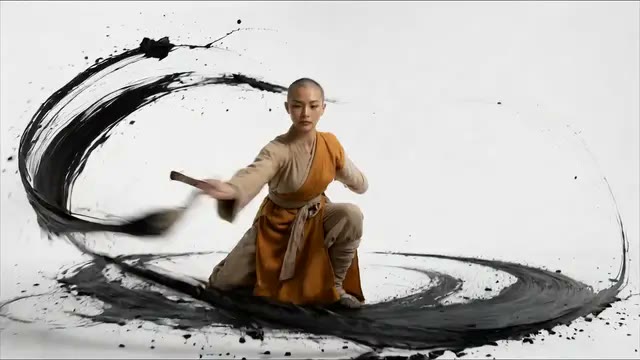
After the premium pair, Grok is the best bang for credit, full stop. A median ≈90 credits a clip, with a floor that drops as low as 9, and it still holds genuine cinematic quality. Its wildcard streak (it will hand you a sumi-e ink fight, a felted-puppet world or a drone sweep you did not specify) is a feature when you are exploring on a budget. It is the value sweet spot, and the model to lean on when you want volume without the premium bill.
- Prompt adherence: 3 · Motion: 4 · Edit-ability: 3 · Audio: native · Variance: high · Cost/usable: ≈90 credits ($0.30) / clip, floor ≈9 cr
- Use it for: high-volume video exploration on a budget, and the unexpected take when the safe models all converge on the same answer.
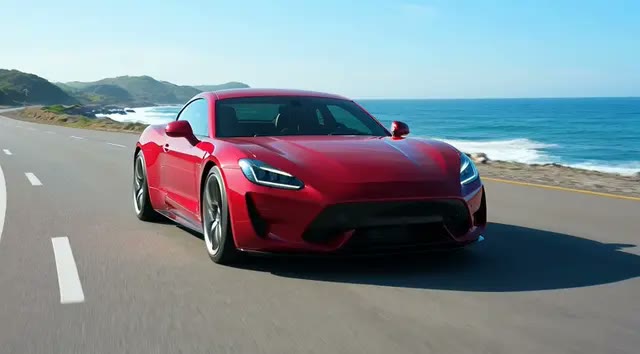
4. Veo 3.1 .. the dependable fourth

Veo is the safe generalist: strong native audio, reliable first-try coherence, motion that holds. It is a perfectly good fourth option, and there is one job it is genuinely first for, a clip you need to just work with usable sound on the first pull and no further editing. But for most of what we make, the three above already cover it, and they give you more room to push. Veo rounds toward "tasteful" and can sand off the specific, weird choice you were after.
- Prompt adherence: 5 · Motion: 4 · Edit-ability: 3 · Audio: native · Cost/usable: ≈90 credits ($0.30) / clip
- Use it for: a first-try clip where native audio is the priority and you will not be editing it further.

The image models
Video has a clear winner. Stills are a different leaderboard, and here two models split the work.
gpt-image-2 .. the one to beat on stills

For the single-frame version of the brief, gpt-image-2 is the model the others are chasing: best prompt adherence, cleanest structure, the reflections and neon read correctly, and text in-frame survives. If the deliverable is an image, this is the default, and you need a specific reason to reach past it. It is also, quietly, one of the cheapest things in the stack at a median ≈18 credits a still.
- Prompt adherence: 5 · Structure: 5 · Edit-ability: 4 · Cost/usable: ≈18 credits ($0.06) / still
- Use it for: the still where it has to be right, especially with text or precise composition.
One caveat, and it is the honest one: the grain. Push gpt-image-2 to 2K or 4K and look at it at 100%. It does not natively render at those sizes, the large output is a detail-synthesis pass, so instead of sampling finer detail it invents it. The result is gpt-image's signature texture: a fine, even grain laid uniformly across the whole frame (identical in sharp and blurred areas, the tell that it is a synthesized overlay and not optical noise), a warm sepia cast, and on any surface with fine repeating structure .. fabric weave, hair, wood grain, foliage, a glass facade, skin pores .. a soft, rippling, wavy quality. The detail flows like it was painted rather than photographed. Wood grain marbles, woven cloth undulates like a flag, skin goes faintly waxy. It is gorgeous at fit-to-screen, at social sizes, at thumbnail. It only shows under a loupe or in large-format print. Know it is there before you send a 4K still to a billboard.
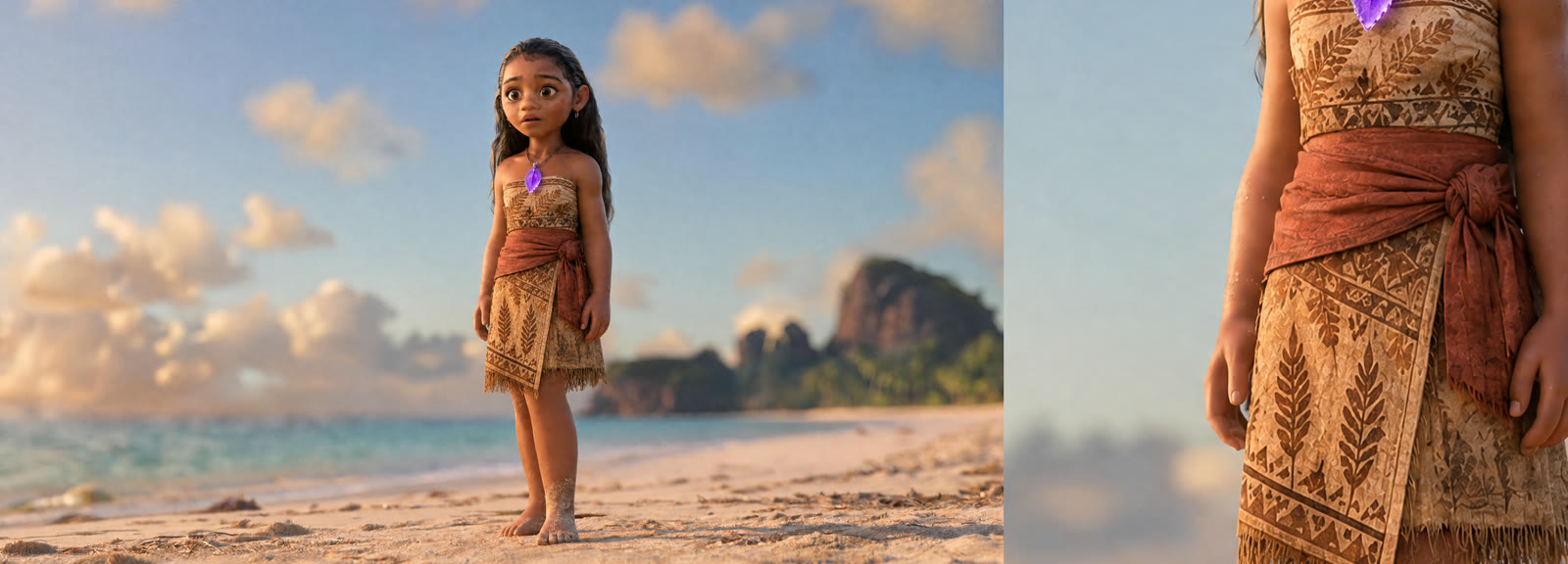
It still tops the lineup on the hard stuff, structure, neon, text, precise composition:
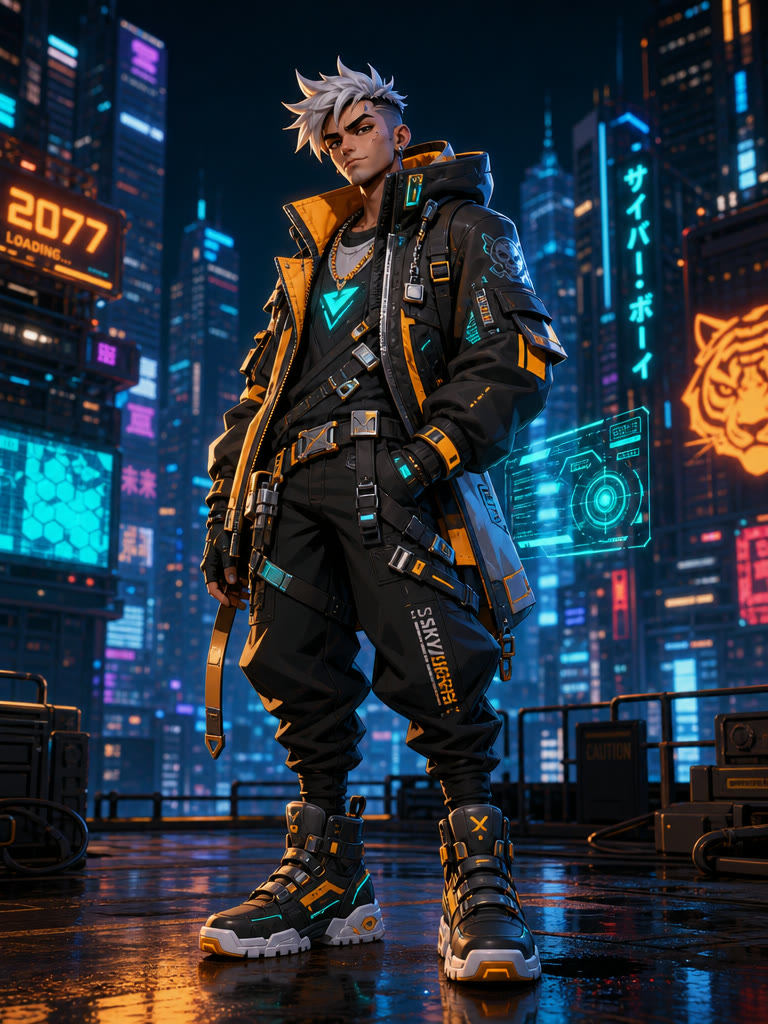
nano-banana-2 .. fast, cheap, and better than its price
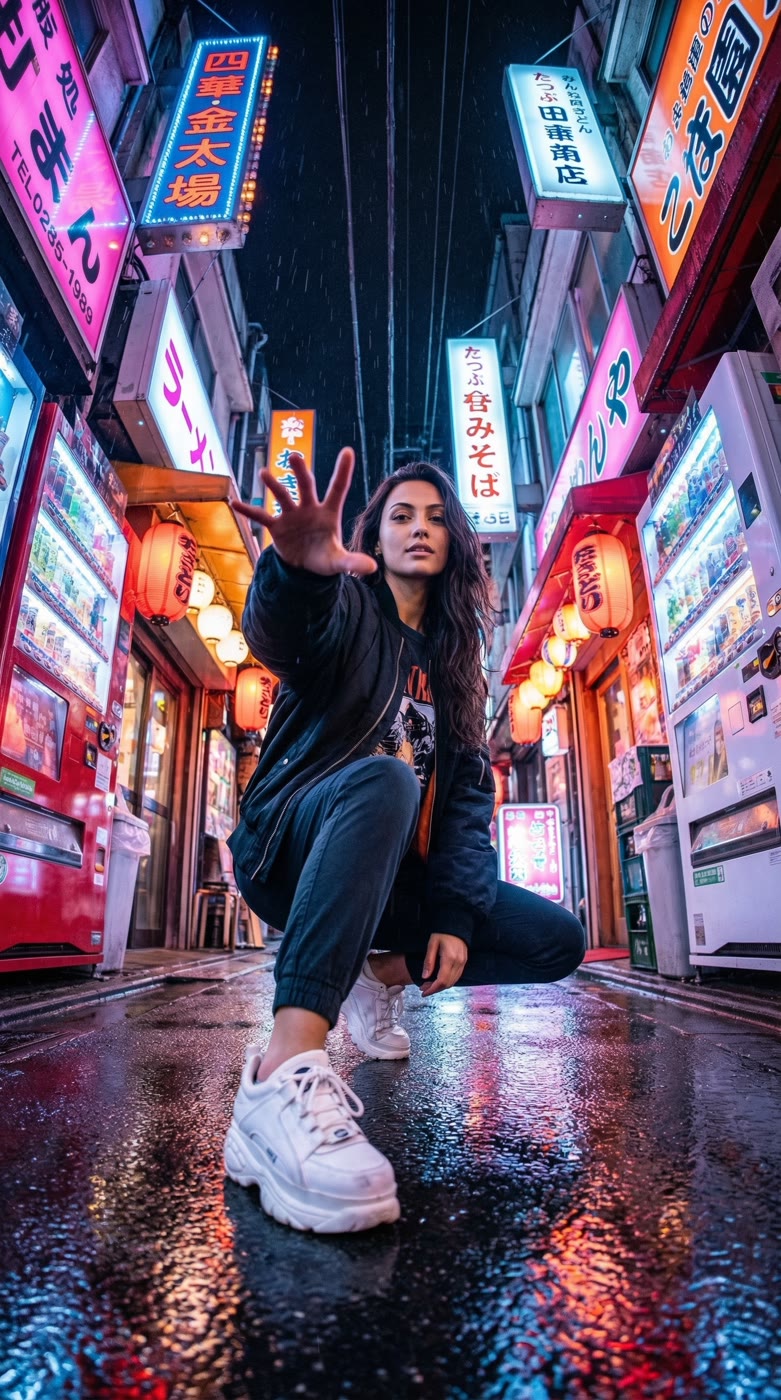
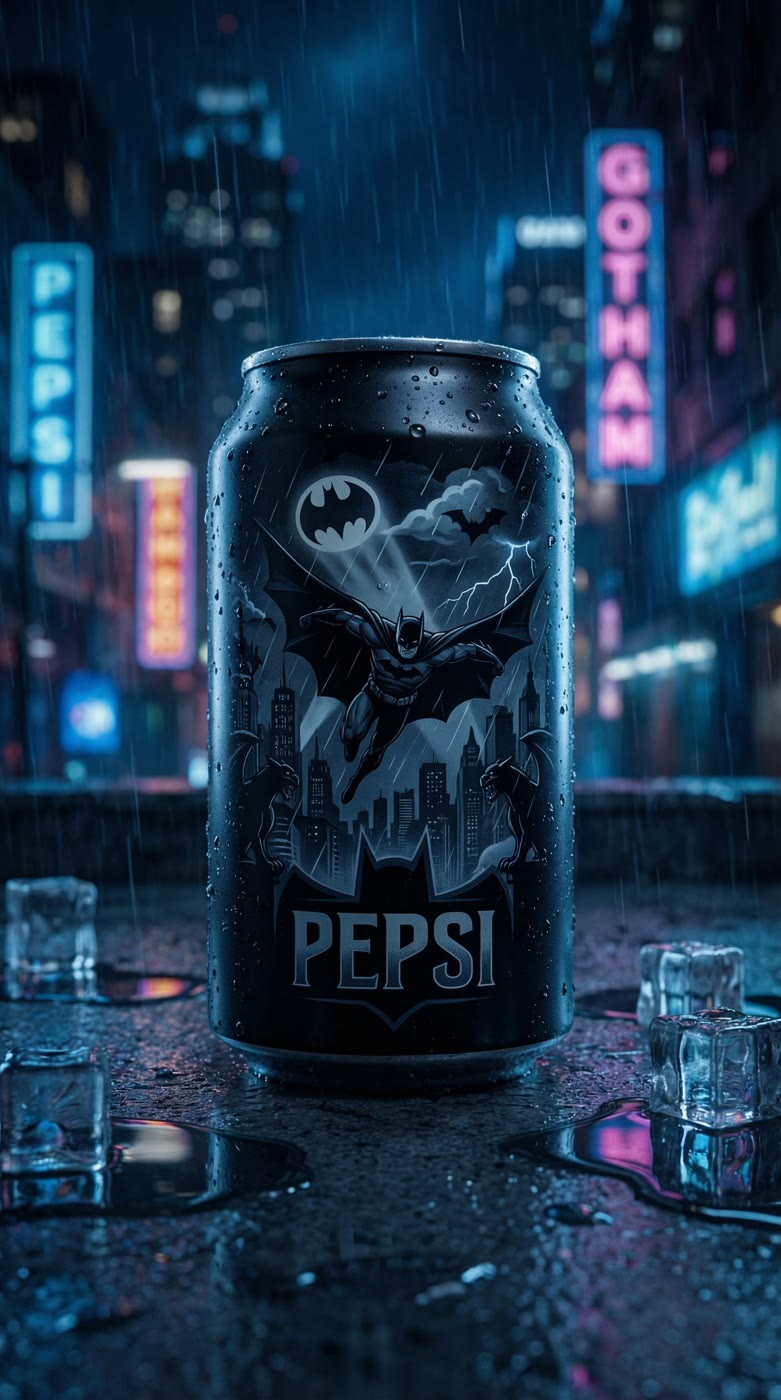
The value pick for stills. It will not out-render gpt-image-2 on the hardest structural asks, but on cost per usable output it punches well above its weight .. a median ≈15 credits a still, the cheapest serious option in the lineup .. and for iteration speed, throwing twenty variations at a mood before you commit, that speed is the feature. The range is wider than people expect: it holds neon product shots, photoreal portraits, surreal composites and Pixar-style 3D without flinching.
- Prompt adherence: 4 · Structure: 4 · Edit-ability: 3 · Speed: 5 · Cost/usable: ≈15 credits ($0.05) / still
- Use it for: exploration, volume, mood-boarding, anything where shots-on-goal matter more than perfecting one.
The decision matrix
Forget rankings in the abstract, match the model to the job:
| The job | Reach for |
|---|---|
| Any video hero shot: top quality, editable, audio-synced | Seedance 2 |
| The same Seedance look, faster and cheaper | Seedance 2 Fast |
| A premium second flavor on a hero shot | Happy Horse |
| High-volume video on a budget, or a wildcard take | Grok |
| A first-try clip where native audio leads, no edits after | Veo 3.1 |
| A still that has to be exactly right (text, precise comp) | gpt-image-2 |
| High-volume image exploration / mood-boarding | nano-banana-2 |
The number nobody reports: cost per usable output
Stop comparing price per generation. A model at half the cost that needs four pulls to land a keeper is more expensive than the premium one that lands it in two. Here is what each model actually costs us per generation, as a real median across our own runs:
| Model | Typical cost / generation | Notes |
|---|---|---|
| Seedance 2 | ≈426 cr ($1.42) | premium hero clip, editable, audio-synced |
| Seedance 2 Fast | ≈306 cr ($1.02) | same family, faster and cheaper |
| Grok | ≈90 cr ($0.30) | value pick, floor as low as 9 cr |
| Veo 3.1 | ≈90 cr ($0.30) | safe generalist, native audio |
| gpt-image-2 | ≈18 cr ($0.06) | top-adherence still, text intact |
| nano-banana-2 | ≈15 cr ($0.05) | cheapest serious still, high-volume |
Seedance looks expensive on this table until you count keepers. It lands the usable hero shot in fewer tries, takes edits and extensions a cheaper clip would force you to redo five times in post, and (see the pro tip below) you do not have to pay its top-resolution price to get a 4K finish. Grok wins when you want forty rough directions, not one perfect frame. gpt-image-2 lands the right still in fewer tries, so even at the same per-generation price as nano its cost per usable on a precise brief is often lower. Track keepers per dollar, per brief, for the work you actually make.
Pro tip: shoot Seedance low, finish with Topaz
The single highest-leverage move in this whole workflow: generate with Seedance 2 (or 2 Fast) at the lower resolution, then upscale with Topaz.
Seedance's class-leading motion, composition and audio are already there at the lower resolution, that is not where the quality lives. So do not pay a premium-resolution generation price. Land the shot cheap, then run a Topaz upscale (a median ≈91 credits) to take it to a crisp HD or 4K finish. You get a premium-looking deliverable for a fraction of the cost of generating big, and because Topaz upscaling lives inside Vilva, you do it in the same canvas, one node downstream of the clip, no export-reimport dance. It is the cheapest route to a finished, premium-grade shot we have found.
The real workflow: explore everything, switch mid-pipeline
Here is the thing the ranking implies but a single-tool habit hides. The motorcycle scene does not want a model. It wants nano-banana-2 to explore the look fast, gpt-image-2 to lock the key frame, Seedance 2 to bring it to life from that frame, Topaz to finish it, and maybe a Grok pass when you want a take you would not have asked for. The job is not picking a winner up front. It is exploring across models and routing each step to the one that wins it, without re-uploading and re-describing everything at each handoff.
That is exactly what Vilva is built for: every major model on one canvas, free to explore and switch between them inside a single pipeline, with your references and assets carried across every handoff. Explore freely, commit late, route each step to its best model, and upscale, edit and extend without ever leaving the page. So you are never married to one model's weaknesses, you are using each one for the one thing it is best at. Free to try at vilva.ai (200 credits on signup) .. run the brief above across three models yourself and watch the matrix prove itself.
The takeaway
There is no best model. There is a best model for this job. For video, in order:
- Seedance 2 and Seedance 2 Fast first, full stop, the default for any shot that has to carry weight.
- Happy Horse as a premium second flavor.
- Grok for value and the wildcard take.
- Veo 3.1 as a dependable fourth, best when native audio on a first pull is the priority.
For stills, gpt-image-2 when it has to be right (mind the grain at 4K) and nano-banana-2 for volume. And the pro move on every Seedance shot: shoot low, finish with Topaz.
But the real unlock is not any one model. It is the platform that lets you explore all of them and switch between them, mid-pipeline, without friction. Measure cost per usable output on your briefs, route each step to its best tool, and "what's the best model" stops being a question worth arguing about.